Exploring Italian Wine Heritage from Tuscany to Sicily
Italy’s wine culture is a journey through time and terrain. With over 500 native grape varieties and a history spanning more than 3,000 years, Italian wine offers a unique window into the country’s diverse regions and traditions. Each bottle tells a story shaped by the land, climate, and generations of winemakers who blend passion with skill. This post takes you through some of Italy’s most celebrated wine regions, highlighting their distinct wines and what makes them exceptional.
The Heritage of Italian Winemaking
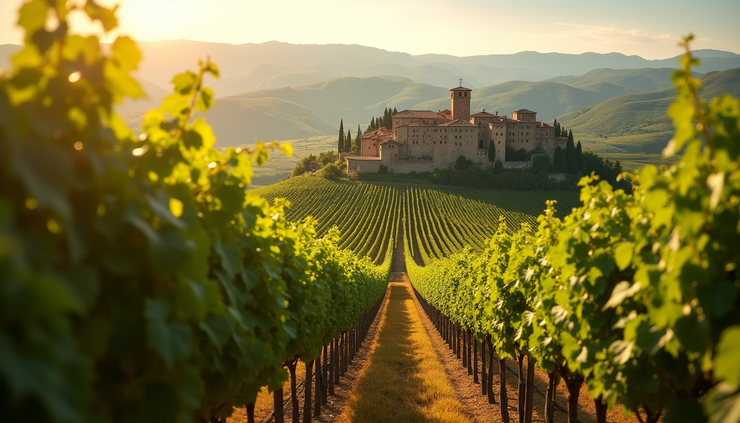
Italian winemaking roots trace back to the Etruscans and Romans, who laid the foundation for a culture deeply connected to wine. Over centuries, families have passed down knowledge, refining techniques while respecting the land. Today’s wineries combine this heritage with sustainable farming and modern technology to produce wines that honor tradition and meet contemporary standards.
This blend of old and new ensures that Italian wines maintain their authenticity while adapting to changing tastes and environmental challenges. The result is a rich variety of wines that reflect the character of their terroir and the dedication of their makers.
Tuscany: The Heart of Italian Wine
Tuscany stands out as one of the world’s premier wine regions. Its rolling hills and historic estates create the perfect setting for some of Italy’s most famous wines:
Brunello di Montalcino: Made from 100% Sangiovese grapes, this wine is known for its depth, structure, and aging potential.
Chianti Classico: A classic blend dominated by Sangiovese, offering bright cherry flavors and earthy undertones.
Vino Nobile di Montepulciano: Another Sangiovese-based wine, prized for its balance and elegance.
Super Tuscans: These innovative wines often blend international varieties like Cabernet Sauvignon with traditional grapes, breaking old rules to create bold, complex flavors.
Tuscany’s vineyards are often family-owned estates where winemaking is a craft passed through generations. Visitors can explore medieval villages, historic cellars, and tasting rooms that showcase the region’s rich wine culture.
Piedmont: The Kingdom of Nebbiolo
Piedmont is synonymous with Nebbiolo, a grape that produces some of Italy’s most prestigious reds:
Barolo: Known as the “King of Wines,” Barolo offers powerful tannins, complex aromas, and excellent aging potential.
Barbaresco: Slightly lighter than Barolo but equally refined, Barbaresco wines are elegant and aromatic.
The region’s foggy hills and calcareous soils create ideal conditions for Nebbiolo. Piedmont also produces notable white wines like Arneis and Moscato d’Asti, adding to its diverse portfolio.
Veneto: Tradition Meets Innovation
Veneto is a large and varied region with wines that appeal to a wide audience:
Amarone della Valpolicella: Made from partially dried grapes, Amarone is rich, full-bodied, and intense.
Prosecco DOCG: Italy’s famous sparkling wine, known for its light, fruity character and wide popularity.
Soave: A crisp white wine made primarily from Garganega grapes, offering fresh and floral notes.
Veneto balances respect for tradition with modern winemaking techniques, producing wines that range from everyday favorites to collector’s items.
Sicily: Wines from Volcanic Soils
Sicily’s volcanic soils, especially around Mount Etna, give its wines a distinctive minerality and complexity. The island’s indigenous grapes shine here:
Nero d’Avola: Sicily’s flagship red grape, producing wines with rich fruit and spice.
Carricante: A white grape grown on Etna’s slopes, known for its crisp acidity and mineral notes.
Sicily’s wine scene is growing rapidly, with producers focusing on quality and expressing the island’s unique terroir.
Italian wine is more than a drink; it is a reflection of Italy’s history, geography, and culture. From Tuscany’s rolling hills to Sicily’s volcanic landscapes, each region offers wines that tell a story of place and people. Exploring these wines provides a deeper appreciation of Italy’s rich winemaking heritage and the passion that continues to shape it.
Whether you are a seasoned wine lover or just beginning to explore, Italian wines invite you to discover their diversity and craftsmanship. Next time you choose a bottle, consider the journey it represents—from ancient traditions to modern tables.
Enjoy the experience of Italian wine, one glass at a time.


Comments